John Updike

Writing

Born: 1932-03-18
Died: 2009-01-27
From: Reading, Pennsylvania, USA
Gender: Male
Popularity: 0.2

Biography

John Hoyer Updike (March 18, 1932 – January 27, 2009) was an American novelist, poet, short story writer, art critic, and literary critic. Updike's most famous work is his Rabbit series (the novels Rabbit, Run; Rabbit Redux; Rabbit Is Rich; Rabbit At Rest; and the novella "Rabbit Remembered") which chronicled the life of Harry "Rabbit" Angstrom over the course of several decades, from young adulthood to his death. Both Rabbit Is Rich (1981) and Rabbit At Rest (1990) received the Pulitzer Prize. He is one of only three authors (the others being Booth Tarkington and William Faulkner) to win the Pulitzer Prize for Fiction more than once. Updike published more than twenty novels and more than a dozen short story collections, as well as poetry, art criticism, literary criticism and children's books. Hundreds of his stories, reviews, and poems appeared in The New Yorker, starting in 1954. He also wrote regularly for The New York Review of Books. Describing his subject as "the American small town, Protestant middle class", Updike was well recognized for his careful craftsmanship, his unique prose style, and his prolificness. He wrote on average a book a year. Updike populated his fiction with characters who "frequently experience personal turmoil and must respond to crises relating to religion, family obligations, and marital infidelity." His fiction is distinguished by its attention to the concerns, passions, and suffering of average Americans; its emphasis on Christian theology; and its preoccupation with sexuality and sensual detail. His work has attracted a significant amount of critical attention and praise, and he is widely considered to be one of the great American writers of his time. Updike's highly distinctive prose style features a rich, unusual, sometimes arcane vocabulary as conveyed through the eyes of "a wry, intelligent authorial voice" that extravagantly describes the physical world, while remaining squarely in the realist tradition. Updike famously described his own style as an attempt "to give the mundane its beautiful due." Description above from the Wikipedia article John Updike, licensed under CC-BY-SA, full list of contributors on Wikipedia.

Awards & Nominations28 won · 8 nominated

🏆 Won

Jefferson Lecture

2008
🏆 Won

Rea Award for the Short Story

2006
🏆 Won

Carl Sandburg Literary Award

2005
Nominated

International Booker Prize

2005
🏆 Won

PEN/Faulkner Award for Fiction

The Early Stories: 1953–1975

2004
🏆 Won

National Humanities Medal

2003
🏆 Won

National Book Award

1998
🏆 Won

Ambassador Book Award

In the Beauty of the Lilies

1997
🏆 Won

Commandeur des Arts et des Lettres

1995
🏆 Won

William Dean Howells Medal of the American Academy of Arts and Letters

1995
🏆 Won

Prix Laure Bataillon

1994
🏆 Won

Common Wealth Award of Distinguished Service

1993
🏆 Won

honorary doctor of Harvard University

1992
🏆 Won

Pulitzer Prize for Fiction

Rabbit at Rest

1991
🏆 Won

National Book Critics Circle Award for Fiction

Rabbit at Rest

1990
🏆 Won

Amateur Cartoonist Extraordinary Award

1990
🏆 Won

National Medal of Arts

1989
🏆 Won

PEN/Malamud Award

1988
Nominated

Hugo Award for Best Dramatic Presentation

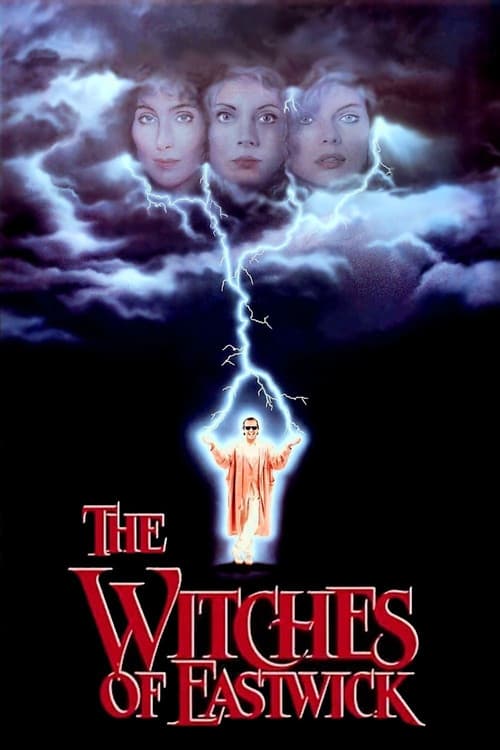
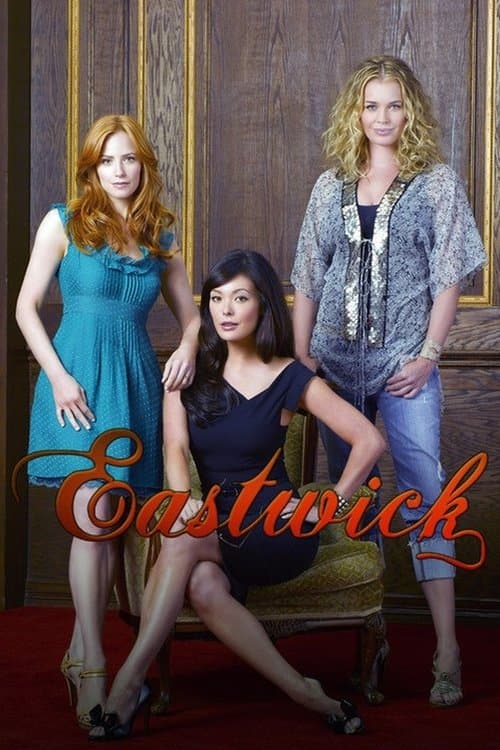
The Witches of Eastwick

1988
🏆 Won

Helmerich Award

1987
🏆 Won

St. Louis Literary Award

1987
🏆 Won

National Book Critics Circle Award in Criticism

1983
🏆 Won

National Book Award for Fiction

Rabbit Is Rich

1982
🏆 Won

Pulitzer Prize for Fiction

Rabbit Is Rich

1982
Nominated

Pulitzer Prize for Fiction

Rabbit Is Rich

1982
🏆 Won

National Book Critics Circle Award for Fiction

Rabbit Is Rich

1981
Nominated

National Book Award for Fiction

Rabbit Redux

1972
Nominated

National Book Award for Fiction

1971
🏆 Won

O. Henry Award

1966
🏆 Won

National Book Award for Fiction

The Centaur

1964
Nominated

National Book Award for Fiction

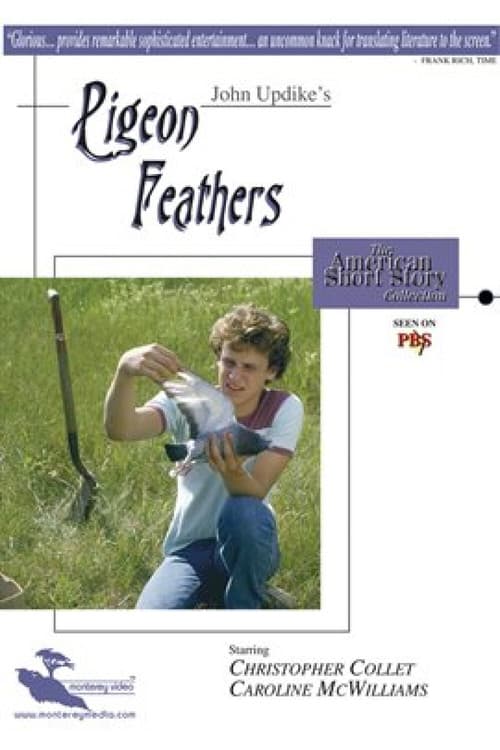
Pigeon Feathers and Other Stories

1963
Nominated

National Book Award for Fiction

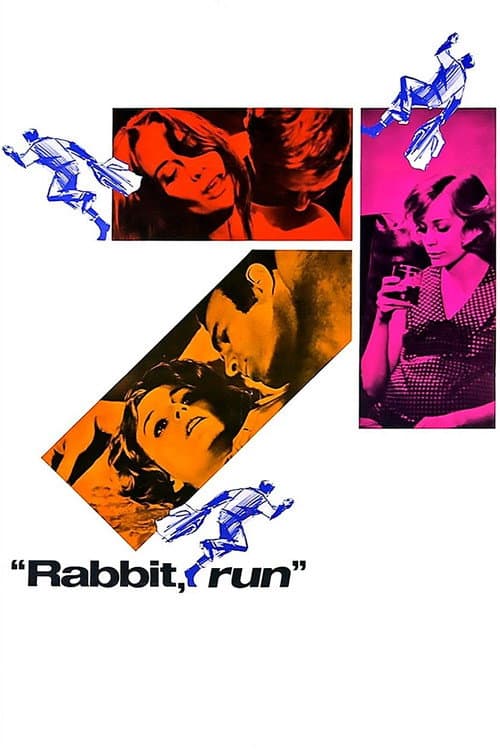
Rabbit, Run

1961
Nominated

National Book Award for Fiction

The Poorhouse Fair

1960
🏆 Won

Bowdoin prize

1954
🏆 Won

Golden Rose Award

🏆 Won

Guggenheim Fellowship